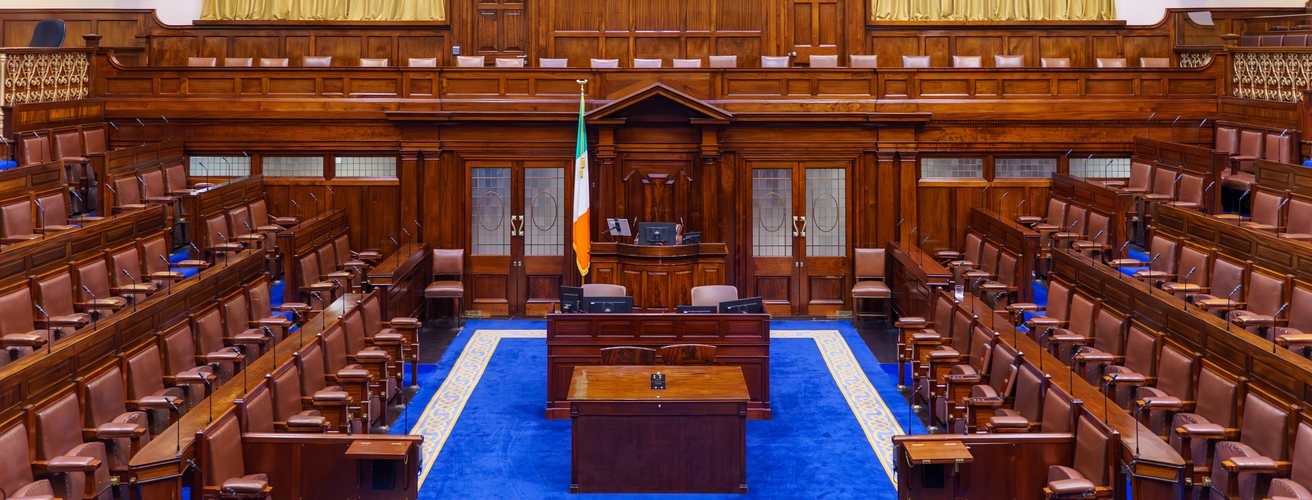
Most countries regulate sport through funding conditions and company law. India has written the governance of its federations into statute. The National Sports Governance Act 2025 was passed in August 2025 and received assent on 18 August 2025, and it creates two bodies that did not exist before.
The National Sports Board
The Board recognises national sports federations. Recognition is the switch that controls everything downstream — funding, the right to select national teams, the authority to sanction events — and placing it in a statutory body places it outside the federations' own politics.
The National Sports Tribunal
Disputes involving federations, selections and elections go to a statutory tribunal with the powers of a civil court. Indian sport has spent years in writ petitions before the High Courts; the tribunal is an attempt to concentrate that litigation in one specialist forum.
What the Act requires inside a federation
- an Executive Committee of no more than fifteen members;
- two athlete representatives on it;
- four women on it;
- a Safe Sports Policy addressing harassment and abuse.
These are composition rules written by a legislature into the internal constitution of private associations — the same technique used in the United States when athlete representation was raised to one third, described in the entry on the 2020 Act.
Where this meets the Olympic Charter
Rule 27 requires National Olympic Committees to preserve their autonomy and resist political pressure, and Rule 28.9 lets the IOC Executive Board suspend a committee where a law or a governmental act has the effect of hampering its activity or the expression of its will. A statute that creates a government-appointed board with power over recognition is exactly the kind of instrument that rule contemplates. Whether it crosses the line is a question of how the powers are exercised, not of how they are drafted, and the consequence if it does is described in A suspended NOC is not a banned team.
The comparison that makes it legible
The football system answers the same question with no discretion at all: a member association must manage its affairs independently, and sanctions may follow even where the interference was not its fault — see the entry on FIFA's articles 14–16. A national statute and that obligation can be in direct conflict, and the federation is the party caught between them.
Where this is written: the National Sports Governance Act 2025; legislative history and text at prsindia.org. The Charter provisions are Rules 27 and 28 of the Olympic Charter.